Kawaii Squishy Toys — What They Are, Why They're Everywhere, and How to Choose Yours
If you've been anywhere near a toy store, a gift shop, or social media lately, you've seen them. Small, absurdly cute, ridiculously satisfying to squeeze. Characters shaped like sleeping cats. Food items with little faces. Fruit squishies so realistic you have to remind yourself not to bite them. Squishy toys have evolved a long way from the original novelty concept — and at the center of that evolution sits a deeply Japanese aesthetic philosophy called kawaii.
Understanding kawaii helps explain why these toys are so compelling, why collecting them has become a genuine hobby for millions of people worldwide, and why choosing the right one matters more than you might expect.
What Does Kawaii Actually Mean?
Kawaii (可愛い) is a Japanese word that translates roughly to "cute," but the English word doesn't quite capture the full meaning. Kawaii describes an aesthetic of cuteness that is deliberately innocent, rounded, and soft — think large eyes, small features, gentle colors, and non-threatening forms. It emerged as a cultural movement in Japan in the 1970s, partly as an expression of youth culture and partly as a counterpoint to the rigid formality of traditional Japanese social structures.
The kawaii aesthetic has since gone global, influencing everything from fashion and graphic design to food presentation and — most relevantly here — toy design. Squishy toys are perhaps the purest physical expression of kawaii in the toy world: soft, round, non-threatening, often food-shaped (food is a major kawaii motif), and universally appealing across age groups.
Why Kawaii Resonates Globally in 2026
There's a reason kawaii aesthetics have spread far beyond Japan in recent years. In a world that often feels harsh, complex, and overwhelming, there's profound appeal in objects that are deliberately, unambiguously gentle. A small avocado squishy with a soft smile isn't trying to be impressive or sophisticated. It's just ... comforting. And that comfort — tactile, visual, immediate — is something people are actively seeking in 2026 in ways they perhaps weren't a decade ago.
The Evolution of Kawaii Squishies
The first kawaii squishies appeared in Japanese stationery shops in the early 2010s — small, scented foam characters designed as phone charms and pencil case accessories. They were novelty items, fun but not particularly sophisticated. Over the next decade, the category transformed dramatically.
From Novelty to Premium Craft
By the mid-2010s, a community of dedicated squishy artists had emerged, creating handmade squishies of extraordinary detail — hand-painted, perfectly proportioned, with slow-rise qualities that the mass-market versions couldn't match. These premium handmade squishies introduced a collector's sensibility to the category, establishing that squishies could be objects of genuine craft and quality, not just cheap novelties.
The Sensory Wellness Turn
The late 2010s and early 2020s brought a new understanding of why squishies were so popular: not just because they looked cute, but because they genuinely helped people feel calmer, more focused, and less anxious. The overlap between the growing mental health awareness movement and the sensory toy category created a new narrative for squishies — not just "cute things" but "tools that actually work." This legitimized adult ownership in a way that opened the market dramatically.
2026: The Mainstream Moment
Today, kawaii squishy toys are firmly mainstream. Squishy toys have taken over Easter baskets, with parents hunting for items like NeeDoh and glittery dumplings — driving sellouts and resale markups. They're sold in major retail chains globally, recommended by therapists and educators, and collected seriously by enthusiasts who maintain curated displays of their favorites. The category has arrived.
Types of Kawaii Squishies — A Complete Guide
The kawaii squishy category is broad. Here's how to navigate it:
Food Squishies
The most popular category globally. Food squishies combine the kawaii aesthetic with the universal appeal of recognizable foods — often given small faces and expressions that make them feel like characters rather than objects. Avocados, strawberries, cakes, cookies, bananas, and ice cream cones are consistently the best-sellers. The food category tends to have the widest cross-demographic appeal — children, teens, and adults all respond to them.
Animal Squishies
Kawaii animal squishies range from realistic-ish renditions of cats, dogs, and bears to fantastical creatures that don't exist in nature. The kawaii aesthetic tends to emphasize round, soft, oversized features — large eyes, small noses, rounded forms — that trigger the same nurturing response humans feel toward babies and young animals. Collecting a series of kawaii animal squishies from the same design line is a common entry point into serious squishy collecting.
Character and Novelty Squishies
Beyond food and animals, kawaii squishies come in an enormous range of character-based designs — squishy versions of everyday objects given faces and expressions, abstract shapes with kawaii aesthetics, and novelty items like the Brain Squishy Eye Popping Toy that add an interactive element to the visual cuteness.
Mochi Squishies
A distinct subcategory, mochi squishies are smaller, denser, and made from a different foam elasticity than standard slow-rise squishies. Named after Japanese mochi rice cakes, they have a unique stretchy, almost clay-like texture. They're typically palm-sized and are highly collectible due to their small form factor — many enthusiasts keep jars or bowls of mochi squishies as desk decorations.
Jelly and Crunchy Squishies
Moving away from traditional foam, jelly squishies are filled with a viscous gel material that flows and shifts when squeezed, creating a different visual and tactile experience. Crunchy squishies contain beads or granular material that produces a satisfying sound and sensation. Both types appeal to people who want stronger sensory feedback than soft foam provides.
How to Build a Kawaii Squishy Collection
If the kawaii squishy world has caught your attention and you find yourself wanting more than one or two, you're not alone. Here's how experienced collectors approach building a collection:
Start with a Theme
Rather than buying randomly, choose a theme that resonates with you — food squishies, animal squishies, a particular color palette, or a specific size category. A themed collection looks much more intentional when displayed and gives you a clear direction when shopping for additions.
Prioritize Quality Over Quantity
Three premium slow-rise squishies from Squeezy Store will outlast and outperform fifteen cheap alternatives that lose their shape and slow-rise quality within weeks. Build your collection with pieces you genuinely love and that hold up to daily handling.
Display Thoughtfully
A well-displayed squishy collection can be genuinely beautiful. Clear acrylic display cases, floating shelves, or even a simple tray on a desk create a visual focal point. Keep your collection away from direct sunlight (which fades the paint) and store them without compression.
Rotate Your Favorites
Many collectors keep their most used squishies accessible for daily handling and rotate their display pieces less frequently to preserve their condition. This distinction between "use" squishies and "display" squishies helps manage the tension between enjoying your collection and maintaining it.
Frequently Asked Questions
What does "slow-rising" mean in kawaii squishies?
Slow-rising refers to the foam's behavior after being compressed: when you squeeze a slow-rising squishy fully flat and release it, it returns to its original shape gradually over 8–20 seconds, rather than snapping back instantly. This slow rise is the defining quality feature of premium kawaii squishies — it provides a deeply satisfying visual and tactile experience that cheap, fast-rising alternatives cannot replicate.
Are kawaii squishies suitable for adults?
Absolutely — and this is one of the most common misconceptions about the category. The largest growth segment in the squishy toy market in 2026 is adults aged 18–45, using kawaii squishies primarily for stress relief, ASMR enjoyment, and desk decoration. The "cute" aesthetic is cross-generational in a way that few other product categories can claim.
How do I know if a kawaii squishy is good quality?
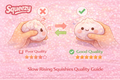
Check for: no chemical smell, paint that doesn't rub off, consistent slow-rise behavior (8–15 seconds), and foam that returns completely to its original shape without leaving compressed areas. Quality squishies from Squeezy Store pass all these checks before they reach our customers.
What's the difference between kawaii squishies and regular stress balls?
Traditional stress balls are typically made from rubber or gel and are designed purely for functional stress relief — they're not particularly visually engaging and don't have the slow-rise property. Kawaii squishies combine the stress-relief function with carefully crafted designs, premium foam, and the slow-rise behavior that adds a visual and meditative dimension that stress balls simply don't provide.
Your Kawaii Journey Starts Here
Whether you're new to the world of kawaii squishies or a seasoned collector looking to add to your collection, Squeezy Store has been building our range with one priority: quality that actually holds up. Slow-rise foam that stays slow-rise. Paint that doesn't flake. Designs that look as good after six months as they did on day one.
Browse our complete kawaii squishy collection and find your next favorite. Free shipping on all orders over $20.
Meta Title: Kawaii Squishy Toys — What They Are, Why They're Everywhere, and How to Choose Yours | Squeezy Store
Meta Description: Kawaii squishies are having a massive moment in 2026. Discover the full story behind kawaii squishy culture, what makes them special, and how to find your perfect match.